Members Only
Spring Fishing on the North Park Anglers Fly Fishing Club
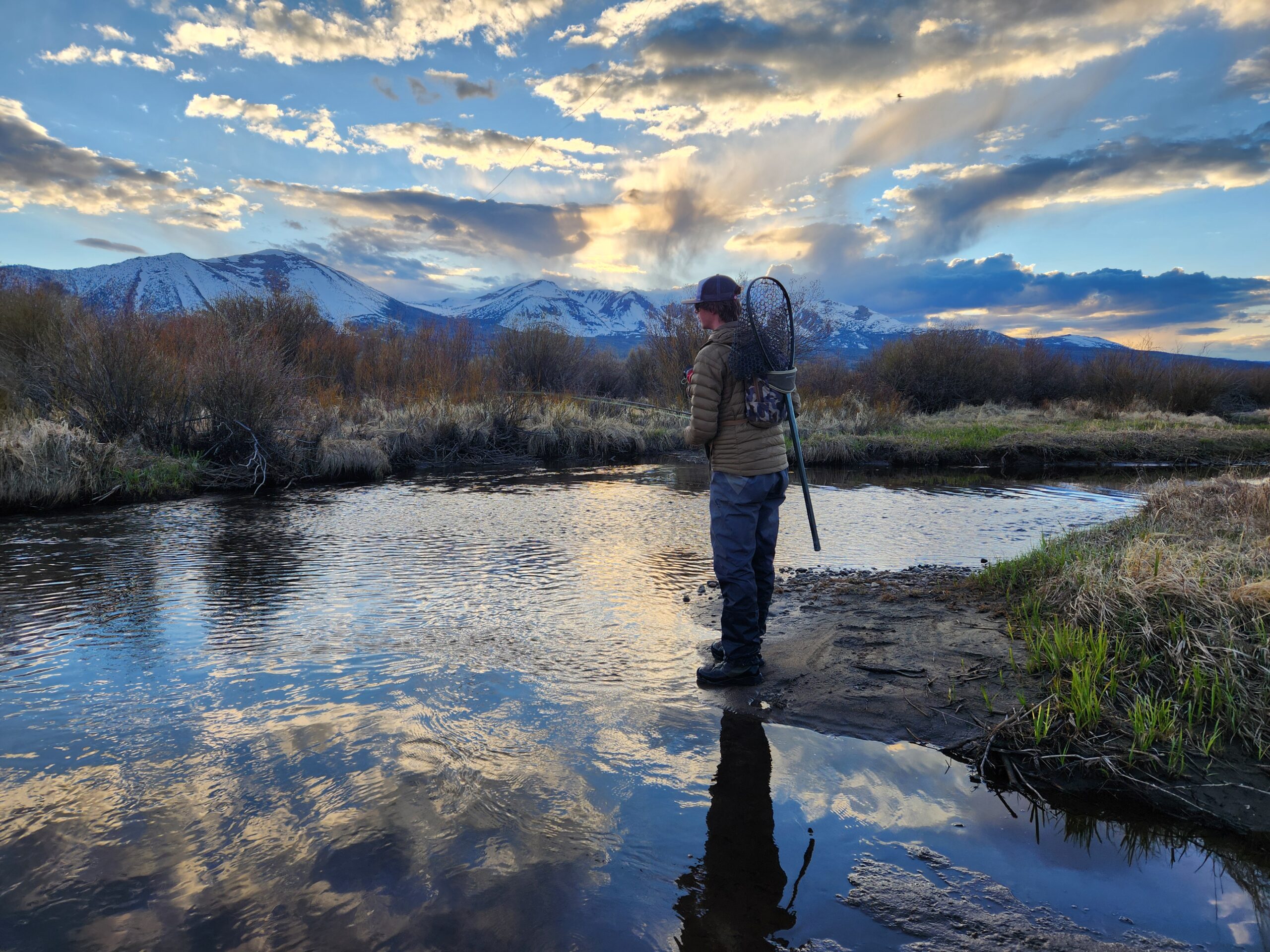
Spring in North Park is a special time of year. After a long winter, both anglers and trout are ready to see open water and warmer temperatures again.
Spring fishing around the park can change quickly from day to day. In a typical year, the valley is still covered in snow, which can make early-season fishing a bit tougher. This year, however, a mild winter has us expecting an excellent early-season window across the park. Rivers are beginning to open earlier than usual and we’re not seeing the typical early valley runoff that often comes with spring melt.
Lower, clearer water should give us a great opportunity to target fish early in the season across many of the club properties.
Spring fishing on the club waters is a little different from how we approach these fisheries during the rest of the year, so we’ve put together this guide to help you understand the conditions and how to make the most of them.
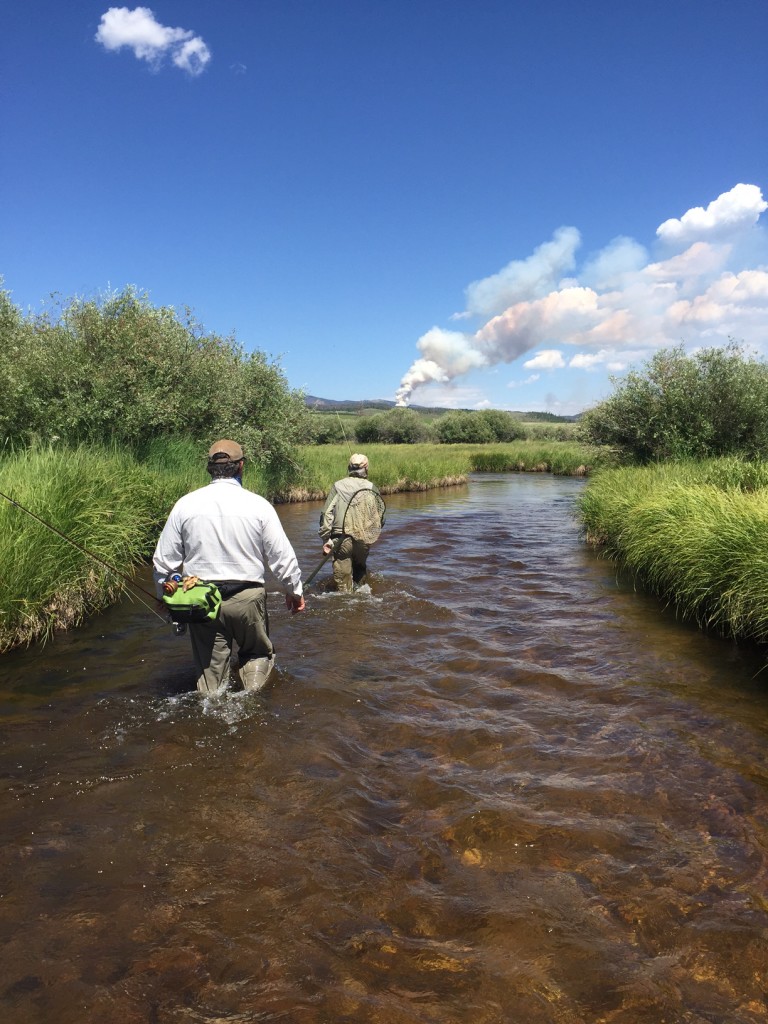
Meadow Streams
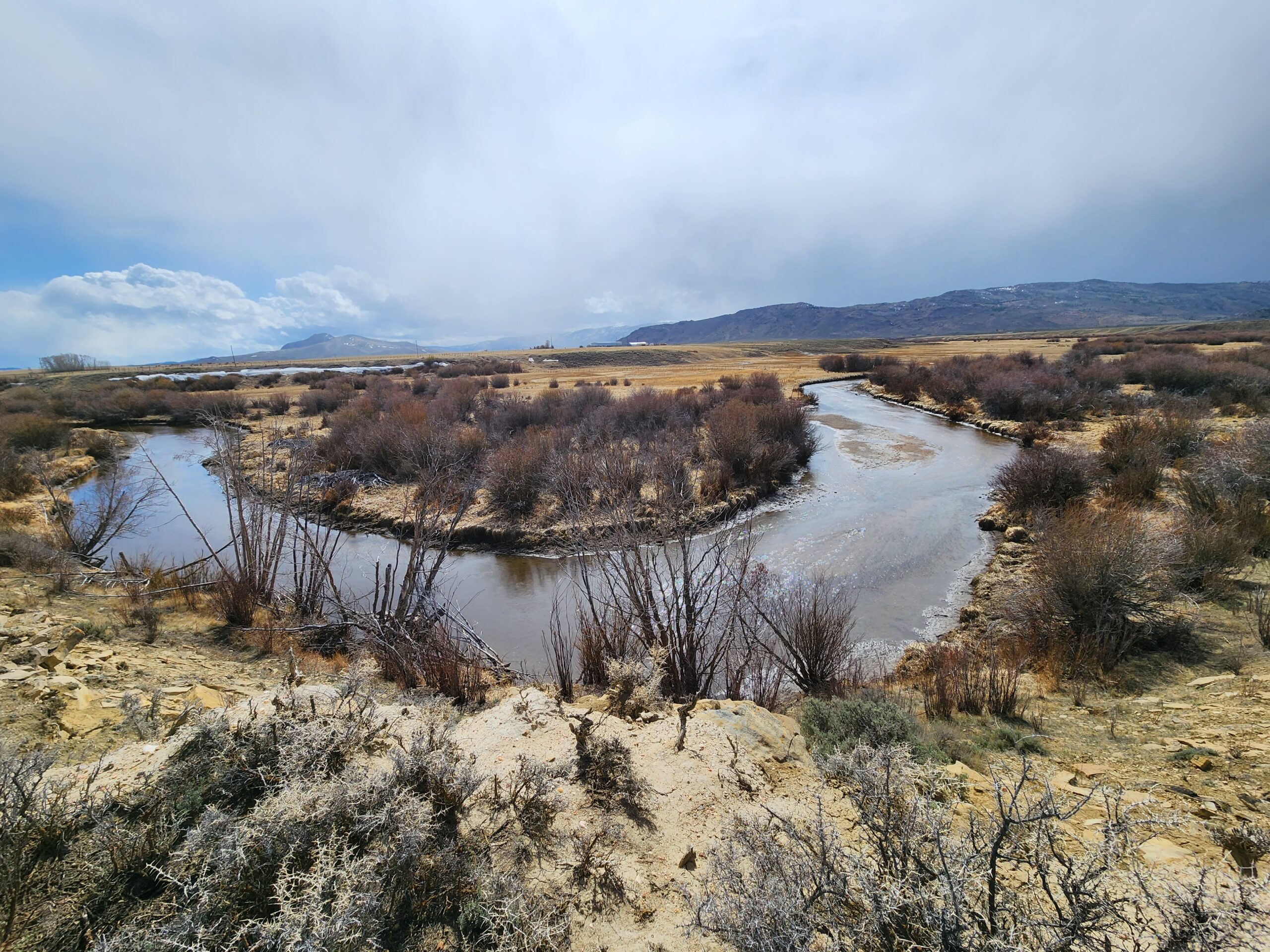
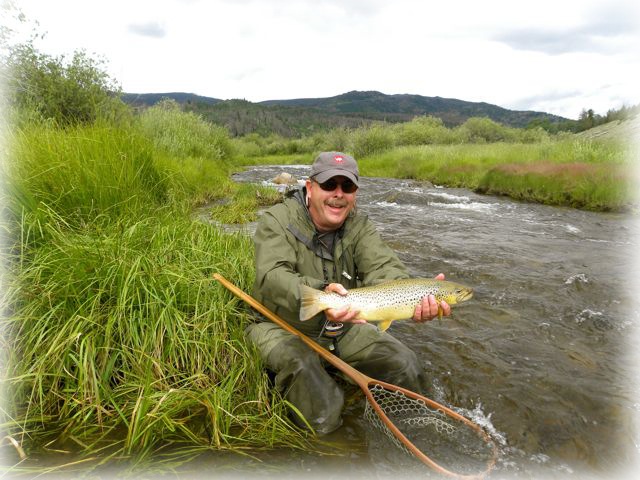
We typically begin our season on the meadow streams on the west side of the park. The North Fork, Roaring Fork, and Beaver Creek are usually the first to open, with the Michigan, Illinois, and Canadian coming into shape shortly after.
Depending on winter conditions, these rivers sometimes experience an early runoff as valley snow begins to melt. With the lighter snowpack and warmer temperatures this year, we don’t expect much early melt. As a result, these streams should remain fishable through April and into early May.
Early spring fishing on the rivers is all about timing bite windows. Water temperatures are still cold and flows are usually low, so focusing your fishing during the warmest part of the day—typically the afternoon—is key.
Water temperatures in the upper 30s to low 40s are normal early in the season, and every degree above 40 makes a difference. Fish will typically remain in their wintering holes until temperatures climb into the mid-40s, so targeting deep, slow water is the best approach.
Because trout are still fairly lethargic in these colder temperatures, slower presentations are critical.
Nymph rigs are the most productive method early in the season. Good fly choices include:
- Stoneflies
- Worms
- Leeches
- Caddis nymphs
- Small attractor nymphs like perdigons or other jig patterns
Flies in the #12–18 range are usually the most productive.
Streamer fishing can also be effective, though the approach is a bit different than later in the season. Heavy streamers that get down to the bottom are important since fish aren’t willing to move far for a meal. A slow retrieve with subtle jigging along the bottom is usually the most effective technique.
While early-season streamer fishing may not produce high numbers of fish, it can be a great way to hunt for a big early-season trout.
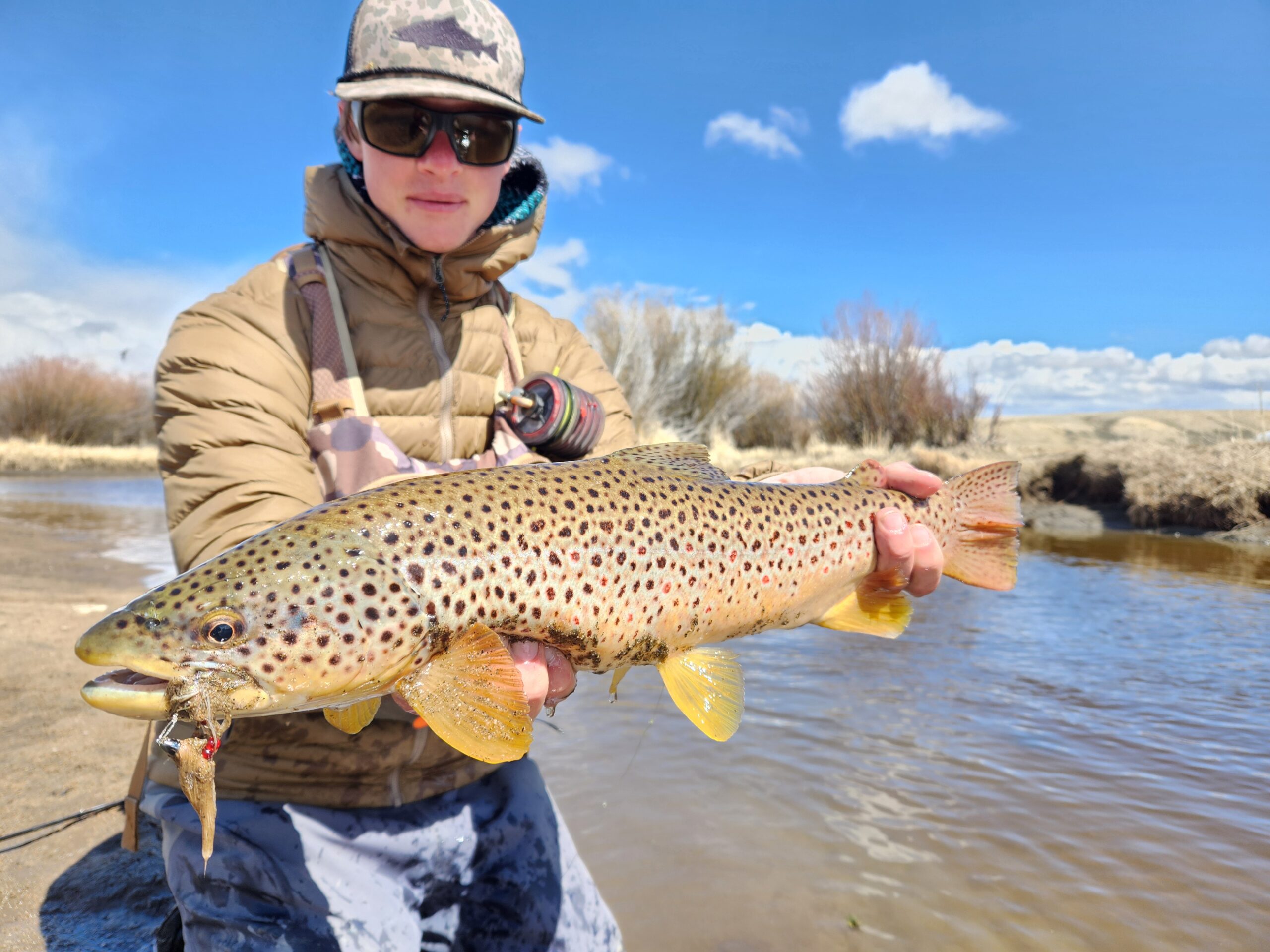
Spring weather in North Park can change quickly. It’s not uncommon to see 60-degree temperatures one day followed by freezing temperatures and snow the next. Keeping an eye on the forecast and planning trips around warmer weather windows can make a big difference.
Access can also change quickly due to snow and mud. Early in the season we recommend sticking to easier-access beats such as:
- Beaver Creek 2 and 3
- Upper Michigan 1, 2, and 3
- Lower Michigan 2
- North Fork 1, 2, and 3
Some of the longer dirt roads may still have snow drifts or deep mud, and we want to avoid damaging ranch roads when possible.
North Platte in the Valley
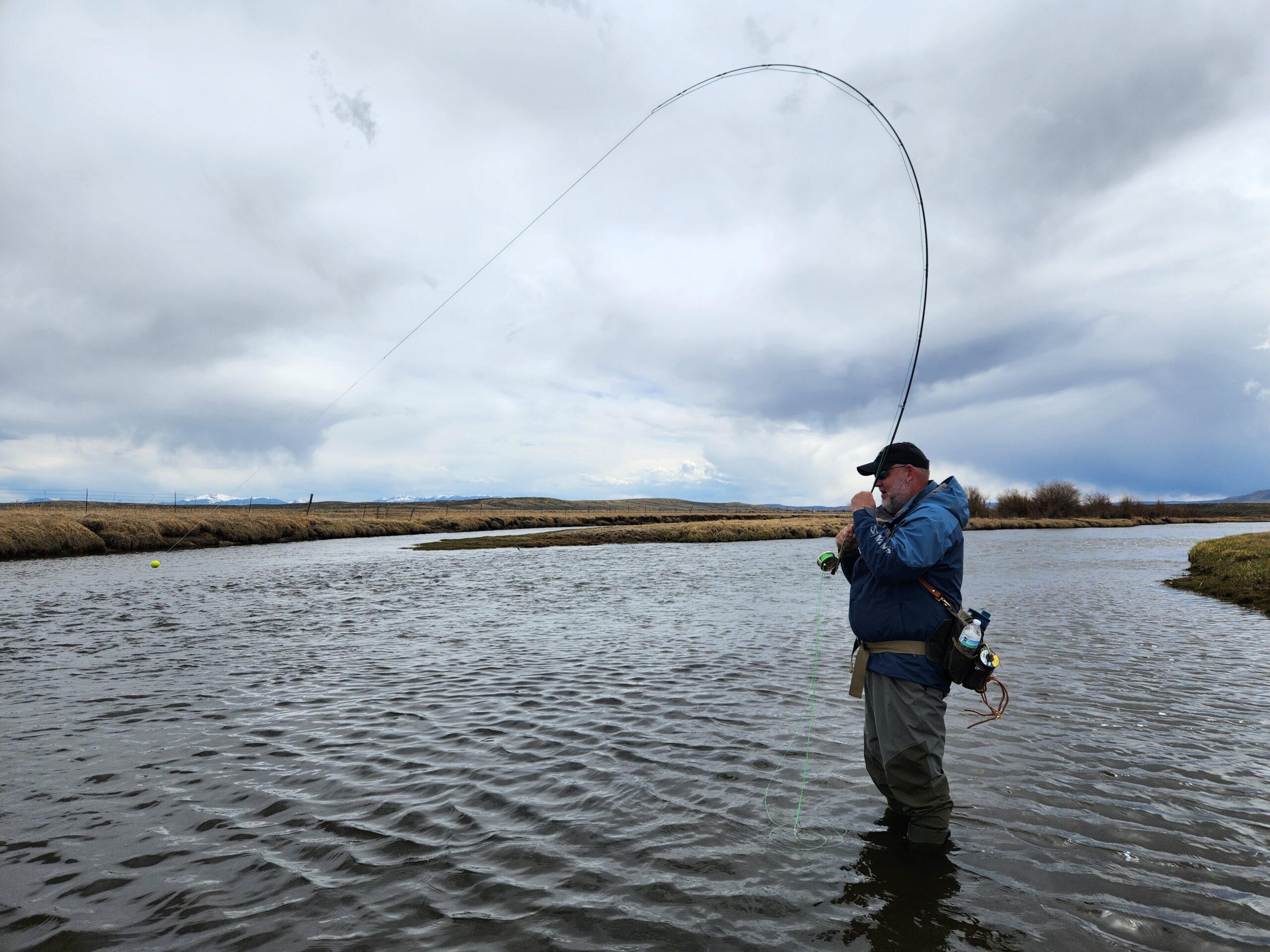
The North Platte in the valley can be hit or miss in the spring—but when conditions line up, the fishing can be outstanding.
Like the meadow streams, the key is targeting deep, slow winter holding water where fish remain concentrated. Trout in the Platte tend to be especially sensitive to cold water, so fishing during warm afternoons when water temperatures climb above 40 degrees will generally produce the best results.
Because the Platte drains several tributaries throughout the park, it can turn muddy depending on melt conditions. Once the remaining low-elevation snow melts, the river typically begins fishing more consistently.
Nymphing is usually the most productive method early in the season. Effective flies include:
- Stoneflies
- Leeches
- Eggs
- Attractor nymphs
Streamer fishing can also produce fish, but as with the meadow streams, slowing things down and keeping flies deep is key.
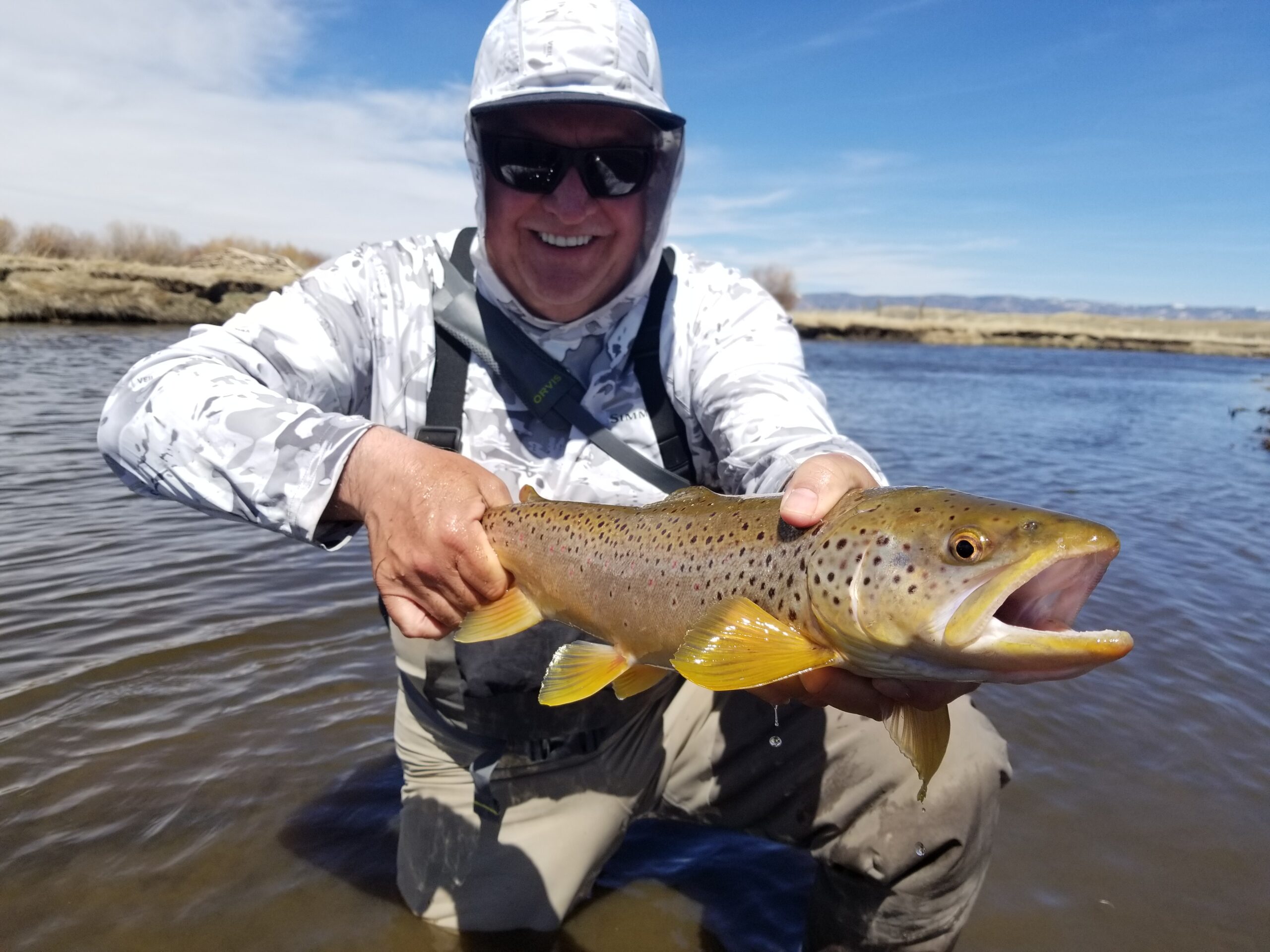
Swinging streamers on a sinking line can be effective on the Platte in spring. This technique allows you to cover a lot of water while keeping flies down in the strike zone and presenting them slowly.
During warmer days in mid to late April, anglers may also see occasional midge and BWO hatches, providing opportunities for early-season dry fly fishing.
Access conditions can change quickly here as well, so we recommend focusing on easier access beats such as:
- Platte 1
- Platte 2
- Platte 8
North Platte in Saratoga
2026 marks our fourth year with access to the Silver Spur property in Saratoga. Last season we had many members fish this stretch with excellent success.
The North Platte near Saratoga is an incredible spring fishery and often provides more consistent action early in the year compared to waters near Walden.
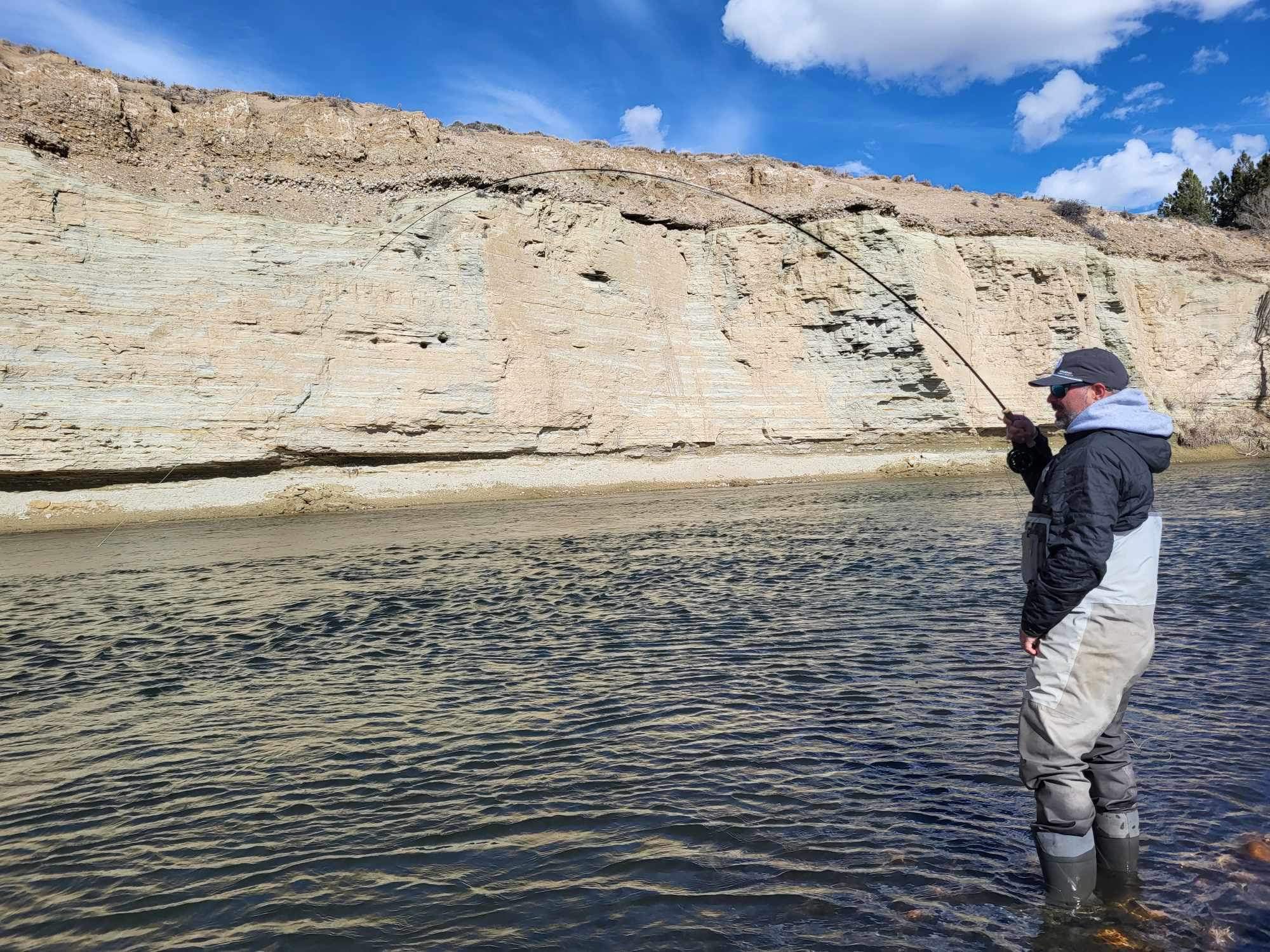
Wade fishing is best when the river is below 300 CFS. Above that level it remains wadeable but crossing becomes much more difficult and access may depend on which beat you enter from.
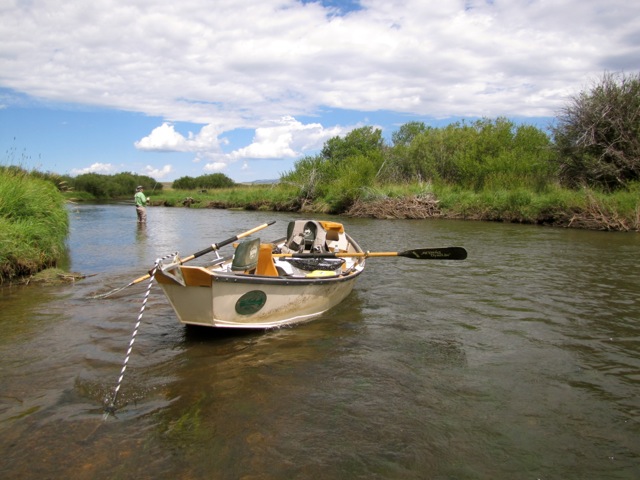
This stretch of the North Platte is significantly larger than the river near Walden and offers a different style of fishing.
Our access includes three ranches:
- Elk Hollow
- Cedar Creek
- Mill Iron
Across these properties we have:
- 8 parking beats
- Over 7 miles of river
- 3 stillwaters
- 2 boat ramps
Because the ranches are large and signage is limited, navigating the properties for the first time can be challenging.
Elk Hollow is the furthest upstream property and begins roughly one mile above the confluence of the Encampment River and the North Platte. This ranch includes five beats (1–5) along with a boat launch and Treasure Island Pond. Beats 1, 2, and 5 are often the easiest options when flows are higher.
Cedar Creek Ranch lies downstream and includes Cedar Creek Pond and the largest stillwater, East Lake. Two fishing beats—6 and 7—are located here. Access can be more challenging in spring depending on road conditions, though Beat 6 is a good option when flows are higher.
Mill Iron is the downstream-most property and includes the boat ramp take-out. Beat 8 is located here and can be a good choice when the river is running higher.
As with other spring fisheries, nymphing is typically the most productive method. Effective flies include:
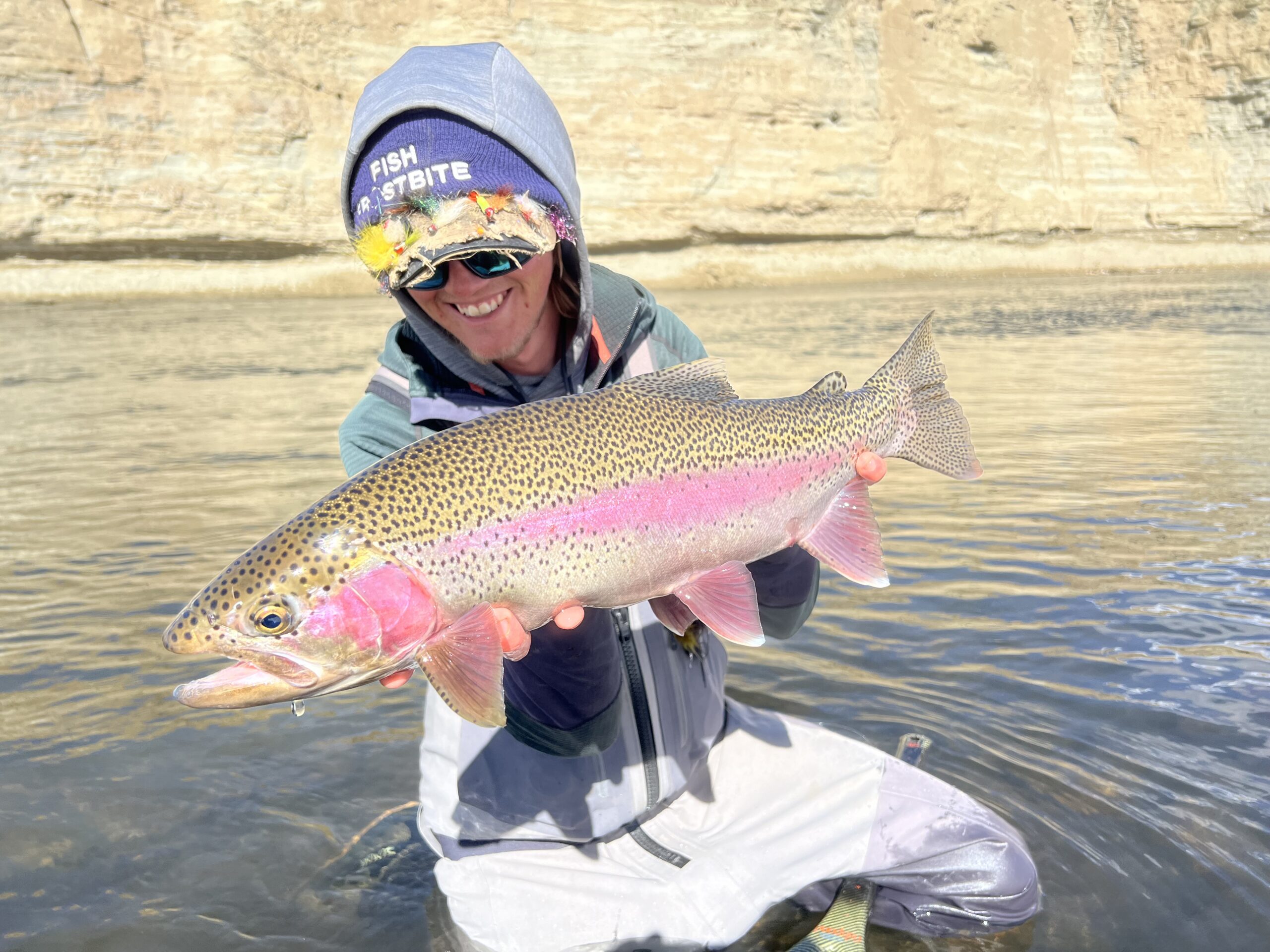
- Stones
- Leeches
- Eggs
- Attractor nymphs such as Duracells and Blowtorches
Swinging streamers on a sinking line can also be very productive here and is a great place to bring a two-handed rod.
On warmer days, anglers may see sporadic midge and BWO hatches, offering occasional dry fly opportunities.
If you’re interested in fishing the Saratoga properties, please contact the shop. While these beats are listed in our reservation system, we must confirm availability with the ranch before sending anglers there. Please note that anglers must fish the specific beat they reserve, and roaming between beats is not allowed.
Lakes
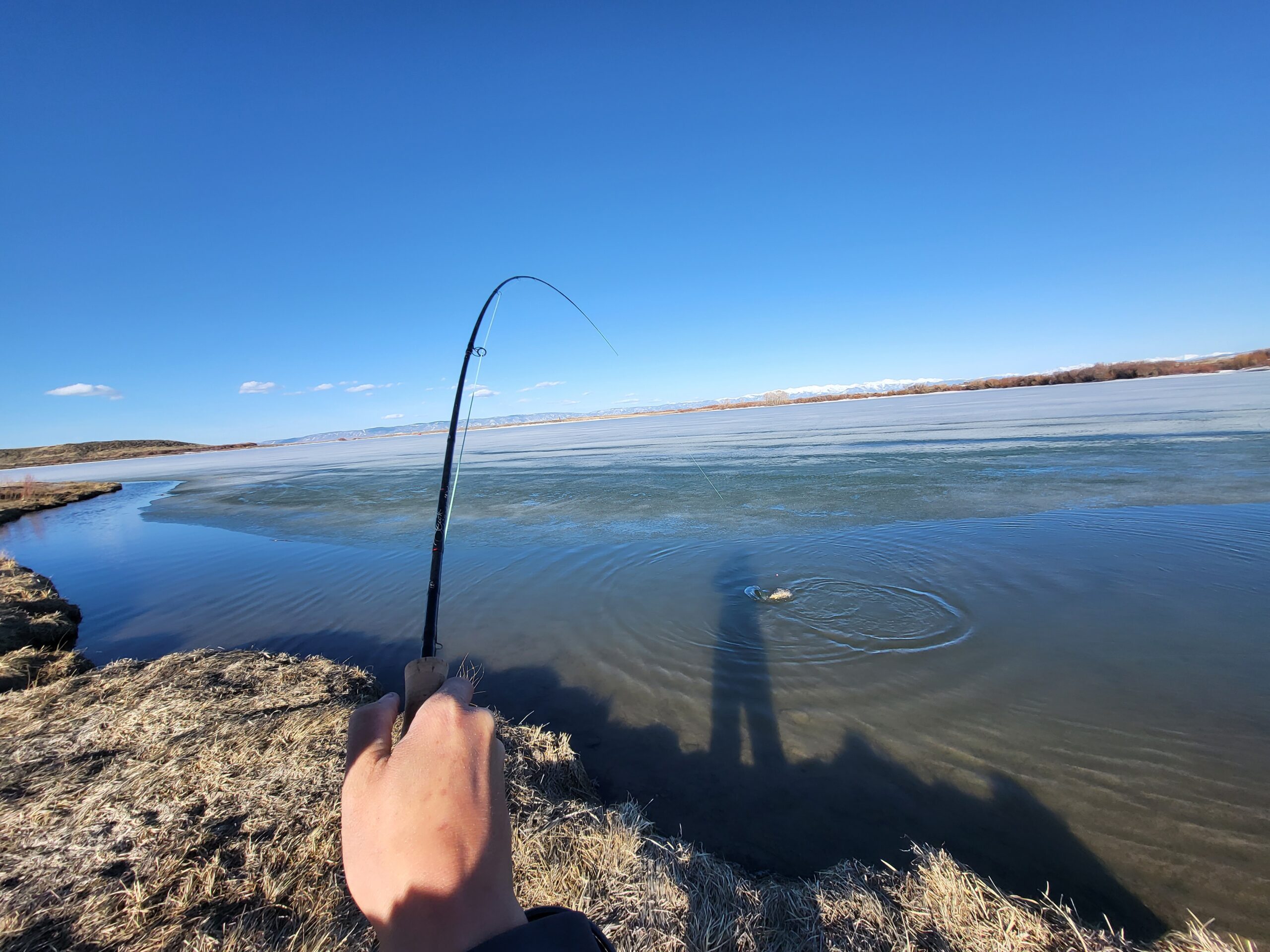
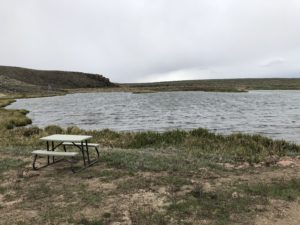
For many anglers, ice-off on the lakes is the highlight of spring fishing in North Park.
As the ice begins to recede, trout feed aggressively and it can be one of the best times of the year to catch a true stillwater giant.
All of our club lakes fish well early in the season and can be an excellent option when rivers are cold or muddy.
Fishing under an indicator is usually the most effective method because it allows you to keep your fly in the strike zone longer—especially along receding ice shelves.
Leeches are our favorite flies during this period, and fishing a double leech rig under an indicator is very common. Productive colors include:
- Black
- Brown
- Olive
Often one fly will include a bright orange or chartreuse bead as an attractor.
Chironomids are another excellent early-season option, especially on calm days when the wind isn’t blowing. Smaller patterns in sizes 14–18 tend to work best in natural colors.
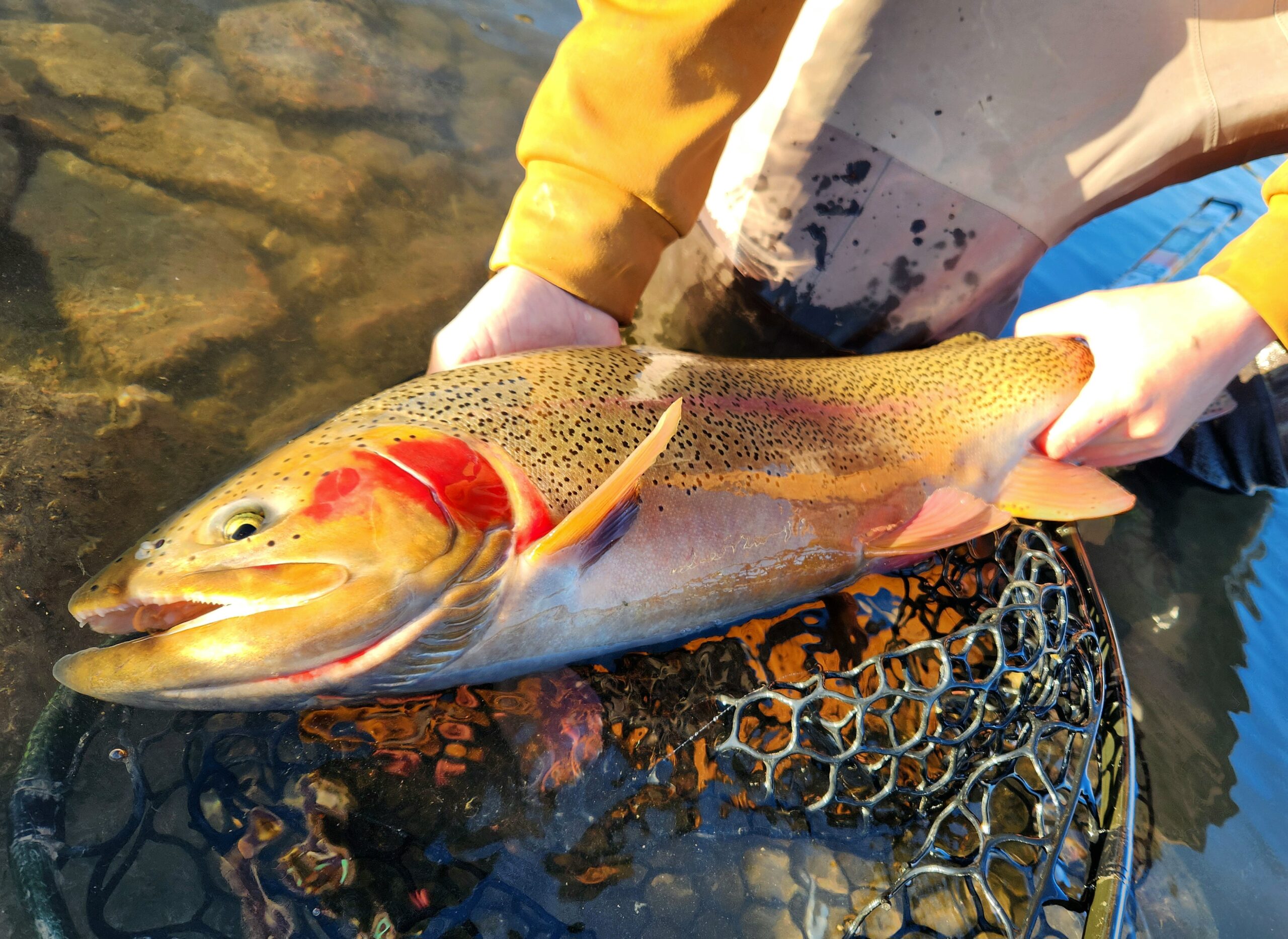
Stripping flies can also be productive early and late in the day if you’re willing to brave the cold water. We typically strip small streamers that imitate baitfish, crayfish, or leeches, fishing them slowly along the ice edge or near the bottom.
Water boatmen are another great option. We often fish two boatmen patterns on an intermediate line with short, twitchy strips.
In spring, fish are often feeding in shallower water than later in the season, especially around weedy areas and ice edges. Don’t be afraid to fish water only a few feet deep.
Typical indicator setups range from 2–6 feet deep, with the bottom fly positioned close to the weeds or lake bottom.
Early Season Conditions and What to Prepare For
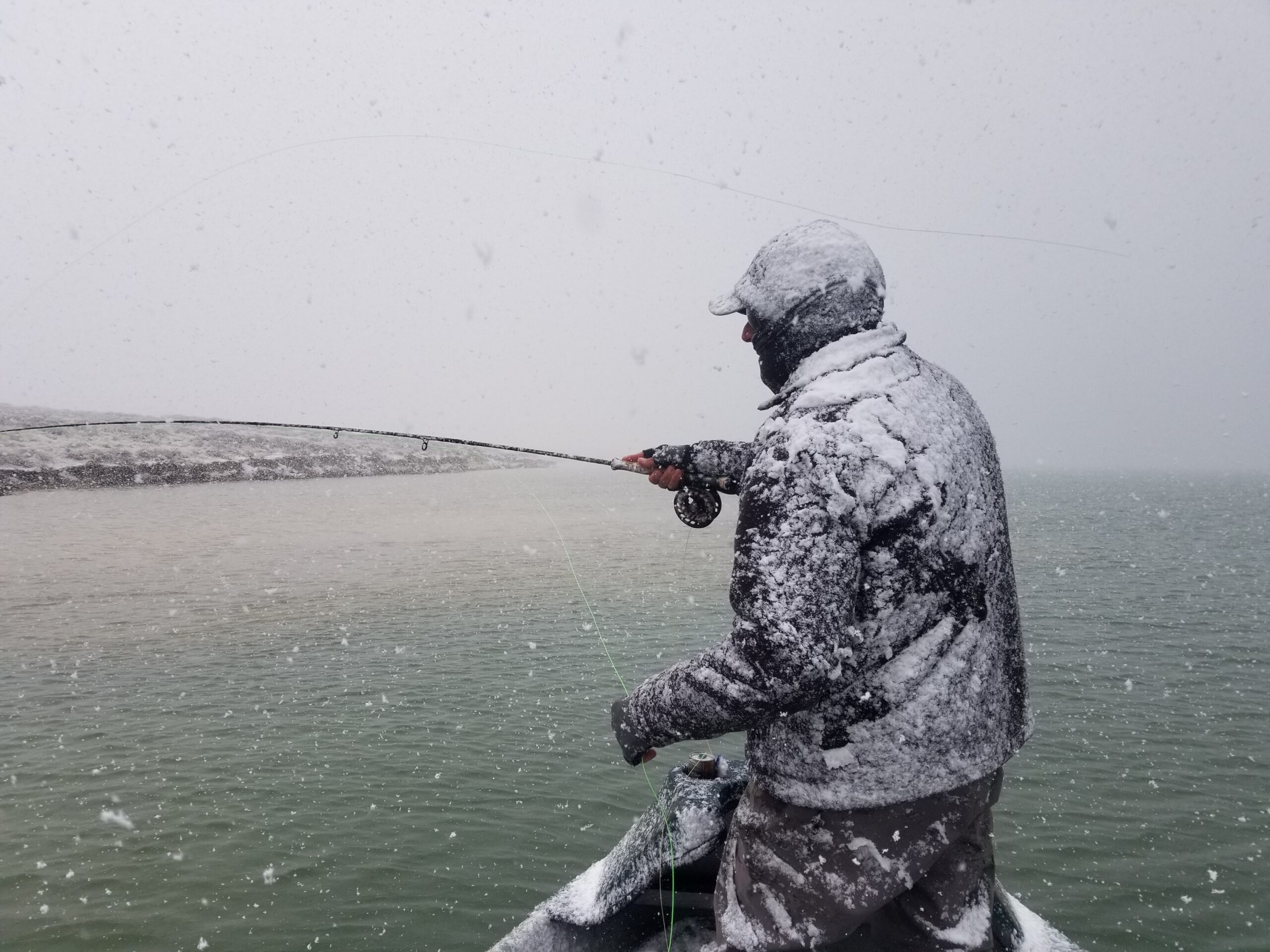
Spring fishing in North Park can be incredible, but being prepared for changing conditions is essential.
Daytime temperatures often reach the 40s and 50s, but it’s not unusual to experience days where temperatures remain in the 20s and snow moves in quickly.
Packing layers is key. We recommend bringing gear that can handle anything from winter conditions to warm spring afternoons.
Helpful items include:
- A warm waterproof jacket
- Gloves for warming your hands
- Extra warm socks
Wind can also be strong during the spring months, so bringing a slightly heavier rod—6–8 weight—is often helpful.
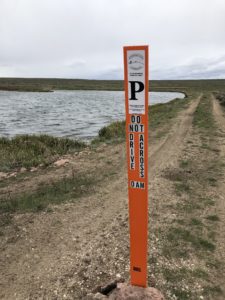
Access conditions across the club can change daily during mud season. Many access points require driving dirt roads that may become impassable due to snow drifts or deep mud.
We check conditions regularly and will list any closures in the club fishing report. (Click Link to view club report)
As a general rule:
If a road looks too muddy and you think you might rut it up, please stay off it. Maintaining good relationships with the ranches we work with depends on keeping these roads in good shape.
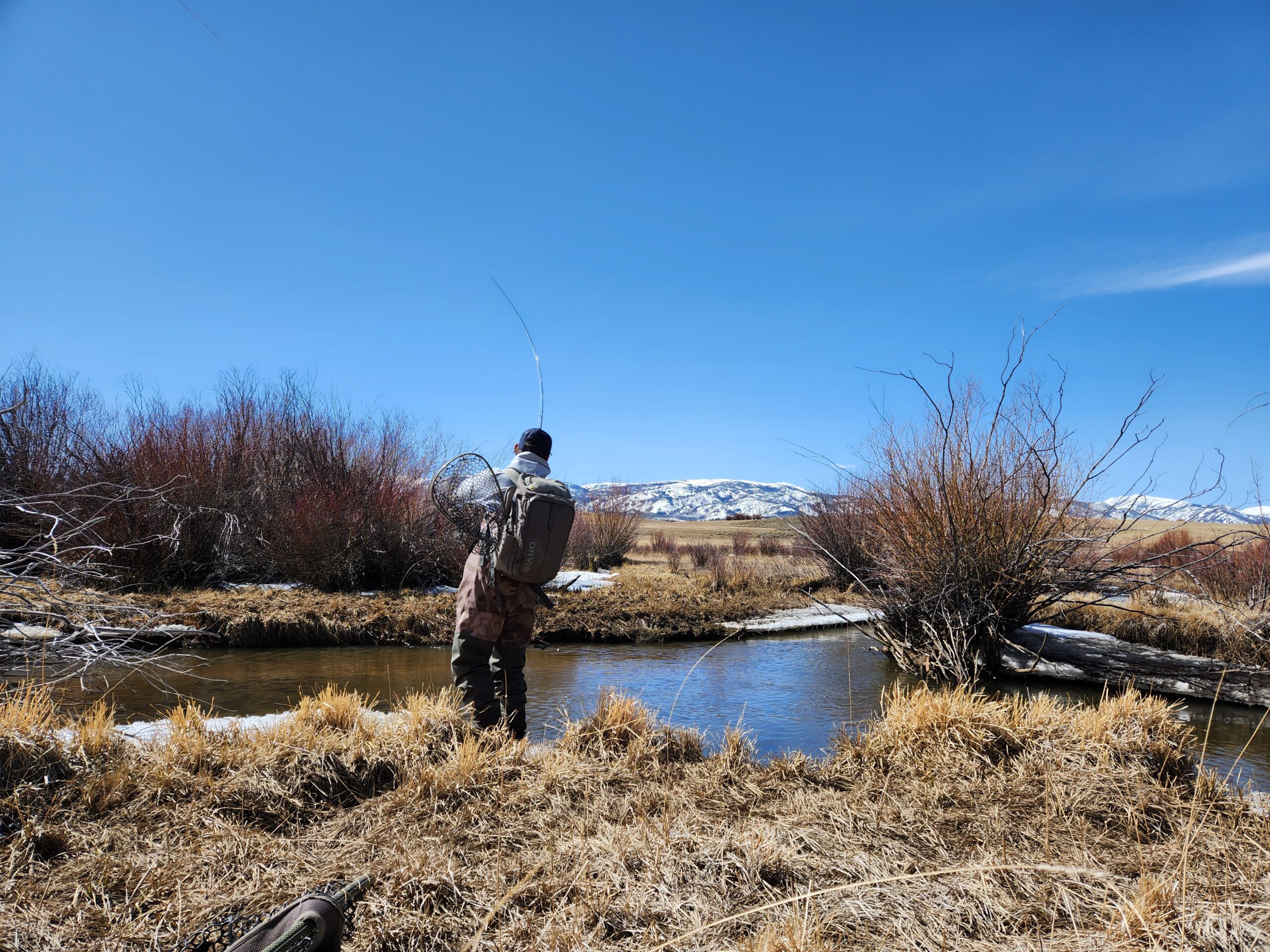
Spring is shaping up to be an excellent season across North Park, and we’re excited to see anglers getting back out on the water.
If you have any questions or would like current conditions, feel free to give us a call at the shop at 970-723-4215.
We look forward to seeing you on the water this spring!